Highest on this chart · 9/10
Ribcage tattoo pain
The ribs have little padding over bone, and the area moves with every breath. That combination puts the ribcage near the tougher end of this chart.
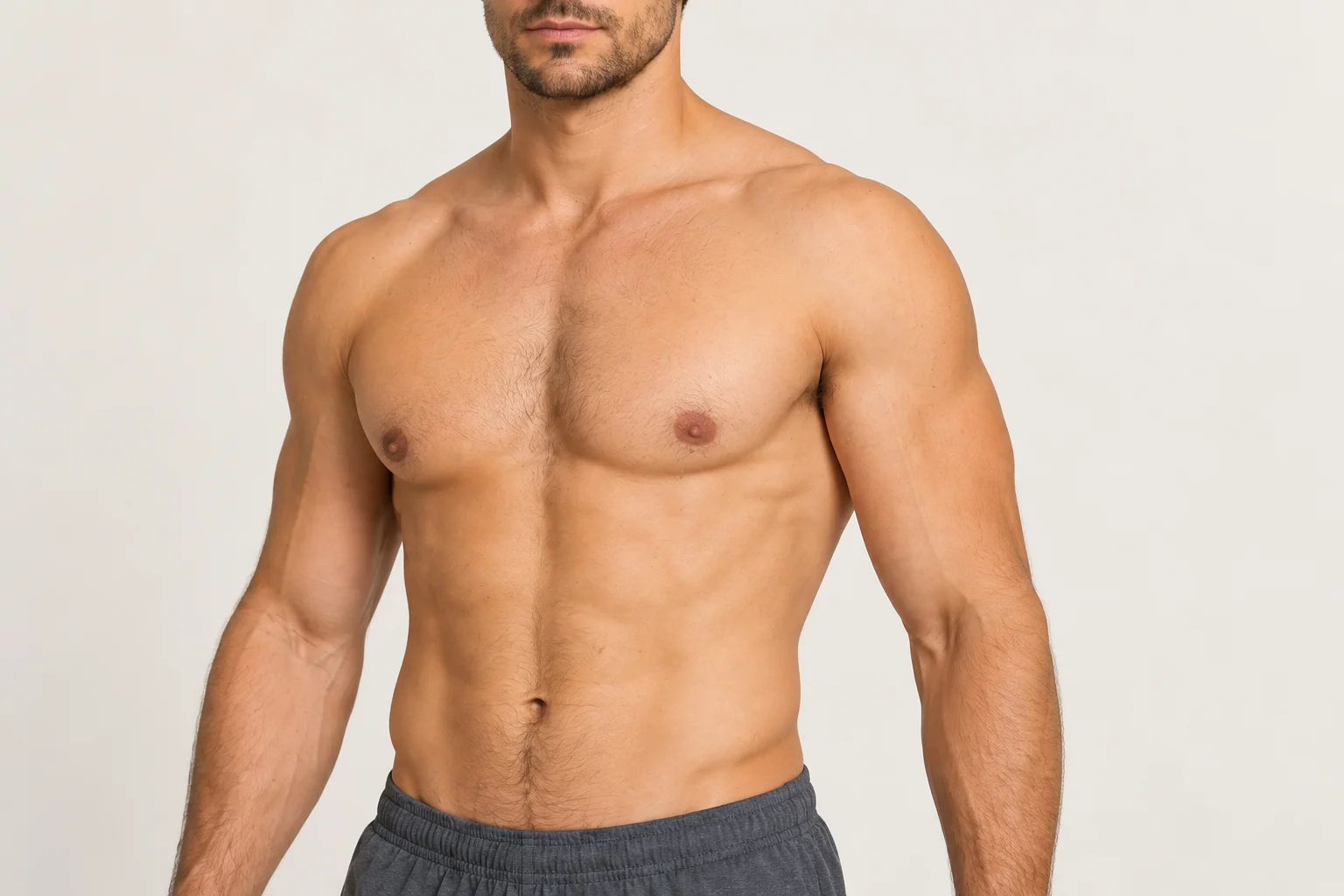
The score describes the spot, not the time you will spend in the chair. Show your artist the design to discuss detail, positioning and breaks. Healing varies too. If you know the dimensions, see the size alongside this placement's score.
Eat beforehand and agree on breaks with your artist; the design determines whether multiple appointments are needed.
How it compares
Also a 9: throat , kneecap , spine , achilles . The same score does not mean those tattoos will feel identical.
Want to compare an easier area? These placements score lower on our chart: outer thigh (2) , outer forearm (3) and shoulder blade (4) . Check whether your design would also work there.
See all 25 placements on the chartUse the scores to compare, not predict. Your design, session and own response can change how a tattoo feels. Ask your artist about the appointment and aftercare. For health concerns, speak with a medical professional. You can read how we make the chart.